Your Donation Matters
Invest in our families
DONATE
Your gift assists in changing the lives of children and families who come to Down Syndrome Network for resources, services and programs throughout the year.
AZ TAX CREDIT
Find out how you can give and get back on your Arizona state income tax return. It's an easy way to support DSNetwork.

VOLUNTEER
Join our loving and dedicated volunteer team. Help support with events, programs and networking opportunities.

MONTHLY GIVING CLUB
Recurring Monthly Donations are a simple way to make small gifts add up throughout the year. Join DSNetwork's Lucky Few 321 Giving Club today!
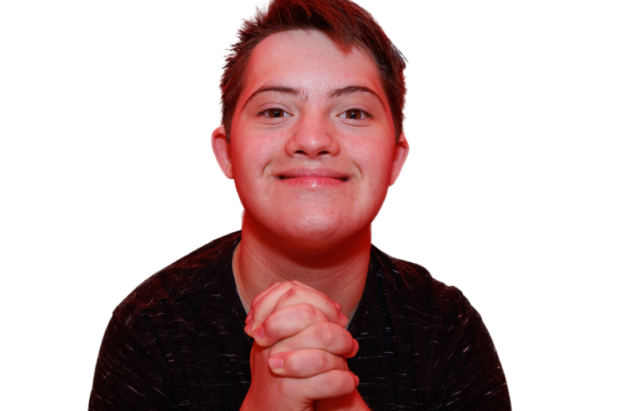
August 8 - 321 Knockout Day
Show up strong. Cheer loud. Punch for possibilities alongside 100 athletes, 250+ families, and a community built all summer long.

July - Build your momentum
Ramp up your fitness routine, open your fundraising page, and rally your supporters. Every dollar raised before August amplifies the day.

June - Ignite your training
Join Down to Box or one of our community partner adaptive fitness programs. Meet and connect with other families preparing for the challenge.

MONTHLY GIVING CLUB
Recurring Monthly Donations are a simple way to make small gifts add up throughout the year. Join DSNetwork's Lucky Few 321 Giving Club today!

WAYS TO GIVE
Volunteer, donate and support the scholarship fund

VOLUNTEER
Join our loving and dedicated volunteer team. Help support with events, programs and networking opportunities.

AZ TAX CREDIT
Find out how you can give and get back on your Arizona state income tax return. It's an easy way to support DSNetwork.

DONATE
Your gift assists in changing the lives of children and families who come to Down Syndrome Network for resources, services and programs throughout the year.

Brendan Gersten
DSNetwork Operations Team
Send Email

Jennifer O'Connell
Executive Director
Send Email

Michele Fiorenza

TREASURER
Rebeca Lopez Founder & CEO at Assure Health Care Group of AZ rebeca@dsnetworkaz.org

VICE CHAIR
Andrea O'Brien
Special Education Advocate
andrea@dsnetworkaz.org

CHAIR OF THE BOARD
Cassie Laughrey, DPT
Doctor of Physical Therapy,
cassie@dsnetworkaz.org
Meet MNO Committee Chair

Meet D.A.D.S. Committee Chair
MIKE FUNK
A near lifelong resident of the Valley of the Sun, Mike Funk grew up in Tempe, before joining the US Navy. After he left the service he was warehouse/manufacturing manager. Currently living in North Central Phoenix, Mike is a proud husband to Darcy and a proud stay-at-home Dad to Mallory and Daphne who has Down syndrome. Mike says that having a child with Down Syndrome has been one of the most rewarding experiences in life and that his daughter has taught him so much and continues to teach him everyday. He have been involved with D.A.D.S since 2015. The group knowledge in D.A.D.S helped him in advocating for Daphne in IEP’S, DDD IFSP/ISP’S, advocating for therapies and all of Daphne’s needs.
He tells all the new Dads, "congratulations, enjoy the ride and come have a seat at the table". To the old Dads, "thanks for paving the way, there is always a warm seat at the table.”
INVESTED
♥ We are INVESTED, devoting our time, effort and energy to our mission.
INNOVATIVE
♥ We are INNOVATIVE and seek opportunities to be original and creative.
COLLABORATE
♥ We COLLABORATE with and rely on our community partners and volunteers.
INTEGRITY
♥ We carry out our responsibilities with the utmost INTEGRITY.
EMPATHY & RESPECT
♥ We use EMPATHY in our interactions and RESPECT toward others in all that we do.
TRUSTWORTHY
♥ We are TRUSTWORTHY in our daily responsibilities and commitment to others.

LIFE EXPECTANCY
Life expectancy for people with Down syndrome has increased dramatically in recent decades – from 25 in 1983 to 60 today. With continued emphasis on research, scientists believe it will be possible to improve, correct or prevent many of the problems associated with Down syndrome in the future.

MATERNAL AGE
While the incidence of births of children with Down syndrome increases with maternal age, more children are born to women under the age of 35 due to higher fertility rates. 80% of children with Down syndrome are born to women under the age of 35 years.

PEOPLE FIRST
Children with Down syndrome are more like other children than they are different; they learn and grow. They simply achieve their goals at a different pace. Each individual has their own unique personality, capabilities and talents. One should always use “people-first” language. For example: a newborn is a baby with Down syndrome, not a Down’s baby.
QUALITY OF LIFE
Quality educational programs, a stimulating home environment, good health care and positive support from family, friends and the community enable people with Down syndrome to lead fulfilling and productive lives.
EQUITY & INCLUSION
Down syndrome occurs in people of all races and social economic levels. People with Down syndrome attend school, work, participate in decisions that affect them, have meaningful relationships, vote and contribute to society in many wonderful ways.
MOST COMMON OCCURRING CHROMOSOMAL CONDITION
One in every 691 babies in the US is born with Down syndrome, or around 6,000 births per year. In Arizona, 161 babies a year are born with Down syndrome. Today, there approximately 400,000 people with Down syndrome living in the US.

CALENDAR OF ACTIVITIES
RSVP for upcoming program activities and events

FAMILY RESOURCES
Access to informative resources, research and local and national organizations
Download from NDSS: Aging and Down syndrome
Adults with Down syndrome, along with their families and caregivers, need accurate information and education about what to anticipate as a part of growing older, so they can set the stage for successful aging. The purpose of this booklet is to help with this process. It is intended to be used by various learners: families, professionals, direct caregivers or anyone concerned with the general welfare of someone with Down syndrome.
Download from NDSS: Alzheimer's and Down syndrome
The risk of Alzheimer’s disease in adults with Down syndrome can stir deep feelings of fear and anxiety for family, friends, and caregivers who are otherwise trying to focus on supporting a healthy and fulfilling adult life for an individual they love. Education is one way to reclaim some power over a situation where it is impossible to have total control. This booklet was written to help empower families and caregivers with knowledge about the connection between Down syndrome and Alzheimer’s, suggestions about how to carefully and thoughtfully evaluate changes that may be observed with aging, and guidance about how to adapt within an ever-changing caregiving role.

Jill Pearns
Jill Pearns is the proud mom of an adult son with Down syndrome. She is an advocate for individuals with intellectual disabilities and has taught strategies that encourage a healthy lifestyle and in doing so, giving those who participate the knowledge and opportunity that can help them to have a better quality of life.

Barbara Bruno
Barbara has two adult nieces with Down syndrome. Through her work as a habilitation, attendant care, and respite provider, Barbara has extensive experience in working with individuals with intellectual disabilities and their families

Familias Unidas
Acerca de Familias Unidas Grupo para socializar y conocer amigos. Ayudaremos a los jóvenes a conectarse uno a otro y celebrar su naturaleza única en una ambiente de apoyo.

Fitness & Exercise
Program includes adaptive tennis and fitness for children and adults with Down syndrome and provides a unique environment that combines exercise, fitness and social activities.

MNO & DADS
Dads Appreciating Down Syndrome (D.A.D.S.) and Moms’ Night Out (MNO) offers parents of a child with Down syndrome opportunities to gather with other parents, share and connect, and foster friendships in a supportive and fun environment.

DS Connex for SIBS
Siblings participate in this one of kind program in Arizona that focuses on support for brothers, sisters cousins and other close family members (ages 6-12 years) of individuals with Down syndrome.

Xcell for Adults
Xcell is a program for adults with Down syndrome (ages 18+) and their families/caregivers. Aging really does matter and the quality of life for our aging population should be the BEST.

Tweens & Teens UP!
Tweens & Teens UP is a program for youth with Down syndrome (ages 8-17), who participate in community-based opportunities and activities to socialize and meet friends in a supportive atmosphere.

Club Xtra for KIDS
Club Xtra program is where parents can come with young ones ages 0-7 to play and interact with other children. The group also provides parents time to network with each other, share their knowledge and experiences, and support each other.

Supporting New Parents
Congratulations on the birth, or expected birth, of your baby! You probably have many questions, concerns and fears right now. That’s okay. This program is a great place to start.
MEET OTHER FAMILIES & CHILDREN
Sign up to receive news on upcoming events in the ClubXtra group program where parents can meet and support other parents, play and interact with other children their age (0 -7 years old).
GUIDE FOR NEW PARENTS
View the National Down Syndrome Society (NDSS) comprehensive guide for new & expectant parents. NDSS is one of the leading organizations for all individuals with Down syndrome.
ONLINE PARENT SUPPORT
Join the private Down Syndrome Network AZ chat group on Facebook to meet and connect with other families touched by Down syndrome in Arizona.

EARLY INTERVENTION
Children with Down Syndrome are often at increased risk for certain health issues. Early intervention can make a major difference in improving their quality of life. Because each child with Down syndrome is unique, treatment will depend on individual needs. In addition to heart health, other common tests at birth include thyroid, hearing and gastrointestinal issues. Check with your doctor and visit our resource pages.

POSITIVE DIAGNOSIS
Every person with Down syndrome is unique and may possess some common physical characteristics at birth or none at all. A special chromosome test known as a karyotype needs to be performed before a positive diagnosis is made. This test is done via a blood sample and detects the number, shape and size of the chromosomes.

HEART HEALTH
It is important that all children born with Down syndrome, even those who have no symptoms of heart issues have an echocardiogram in the first few months of life. An echocardiogram is a test that uses sound waves to check for heart conditions. About 50% of babies with Down syndrome have a heart defect. It is often most convenient to take care of this before leaving the hospital.

FINDING A DOCTOR
Choose a pediatrician who has experience with children with Down syndrome. DSNetwork does not endorse any health care provider. By contacting other parents, you can ask questions about how they selected a pediatrician for their child. You may also ask pediatricians for recommendations of colleagues with experience treating children with Down syndrome.